Understanding Past Facebook Autoliker Websites
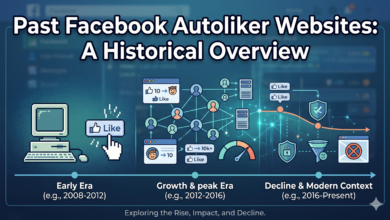
In the realm of social media, the past Facebook autoliker websites served a controversial purpose: artificially boosting likes on posts. While these tools promised increased engagement, they often came with risks that users should have carefully considered.
The Rise of Autoliker Tools
Initially, autoliker websites emerged as a solution for users seeking to enhance their visibility on Facebook. By using these tools, users could gain likes rapidly, which, at the time, seemed like a straightforward method to achieve popularity. However, the underlying mechanics of these sites often relied on questionable practices.
How They Functioned
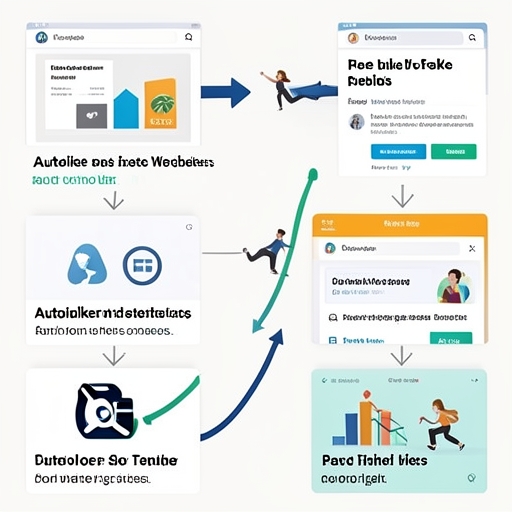
- Users would log in with their Facebook credentials.
- After authentication, the autoliker would access their posts.
- Likes were distributed based on the user’s activity on the autoliker site.
The Risks Involved
Despite the allure of quick likes, there were significant risks associated with using these services:
- Account Security: Many users reported compromised accounts due to data theft.
- Facebook Penalties: Engaging with autoliker websites could lead to account bans or shadowbans.
- Fake Engagement: The likes generated were often from bots or inactive accounts, leading to unreliable metrics.
Historical Context and Examples
Several notable autoliker websites gained prominence, only to be shuttered by Facebook or go offline due to legal issues. Users often flocked to sites like AutoLiker Live and others, drawn by the promise of increased engagement.
Evaluating the Impact
While these tools allowed users to boost their visibility temporarily, they often undermined genuine engagement. The likes generated did not translate into real connections or interactions, leading to a superficial social media presence.
Lessons Learned
The history of past Facebook autoliker websites serves as a cautionary tale. Social media engagement should be organic and authentic. Users are encouraged to focus on creating quality content that resonates with their audience rather than relying on shortcuts.
Best Practices Moving Forward
- Engage authentically with your audience.
- Create shareable and valuable content.
- Utilize legitimate marketing tools that comply with platform guidelines.
Conclusion
The exploration of past Facebook autoliker websites reveals not only the risks of shortcuts in social media engagement but also the importance of authenticity in building a meaningful online presence. As the landscape of social media continues to evolve, users must adapt strategies that prioritize genuine interactions.
Useful Source Links