Introduction to Past Facebook Autoliker Websites
In the world of social media, engagement metrics hold significant value. As a result, many users turned to past Facebook autoliker websites to artificially inflate their likes and interactions. However, the landscape of these services has changed dramatically over time. This article explores the history of these platforms, the risks associated with them, and how users can identify outdated or unsafe services.
Historical Overview of Facebook Autoliker Websites
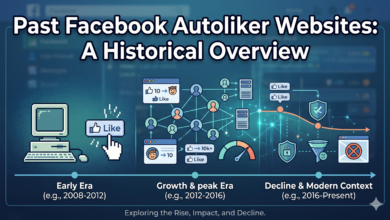
Several autoliker websites emerged in the early 2010s, catering to users desperate for increased visibility on Facebook. These sites operated by using various methods to deliver likes to posts and pages, often by connecting to users’ accounts and exploiting Facebook’s API. Here are some notable examples:
- Autoliker.com: One of the first autoliker platforms, it gained traction quickly before being shut down due to policy violations.
- Like4Like: This site allowed users to exchange likes, but it was plagued by fake accounts and bots.
- FacebookLike.com: A popular tool in its time, it promised instant likes but eventually fell into disrepute.
Why Did They Disappear?
Many of these autoliker websites faced termination due to breaches of Facebook’s terms of service. Facebook implemented stringent security measures, which made it increasingly difficult for such services to operate. Additionally, user awareness regarding the risks associated with these platforms grew, leading to a decline in their popularity.
Safety Risks of Using Autoliker Services
Engaging with past Facebook autoliker websites posed several safety risks:
- Account Security Threats: Many of these services required users to share their login credentials, exposing them to account hacking.
- Malware Risks: Some autolikers were fronts for malicious software, leading to compromised devices.
- Reputation Damage: Using these services can lead to penalties from Facebook, including account suspension.
Recognizing Outdated or Unsafe Services
To avoid the pitfalls of past Facebook autoliker websites, users should be vigilant. Here are some signs to help identify outdated or unsafe services:
- Lack of Transparency: If a service does not clearly explain how it works or lacks a privacy policy, it is likely unsafe.
- Unusual Account Access Requests: Be wary of services asking for more permissions than necessary.
- Poor User Reviews: Researching user experiences on forums and review sites can reveal the reliability of a service.
- Absence of Updates: Outdated websites that haven’t been updated in years are often no longer functional or secure.
Conclusion
The rise and fall of past Facebook autoliker websites serve as a cautionary tale for users seeking to enhance their social media presence. Understanding the risks involved and being able to identify unsafe services is essential in today’s digital age. Always prioritize authentic engagement over shortcuts to ensure a secure online experience.
For users looking for legitimate ways to enhance their social media engagement, consider exploring resources on authentic content creation and community building. Visit Autoliker Live for tools that can help without compromising safety.
Useful Source Links